
Wednesday, August 13th @7:00PM CT
Book Overview
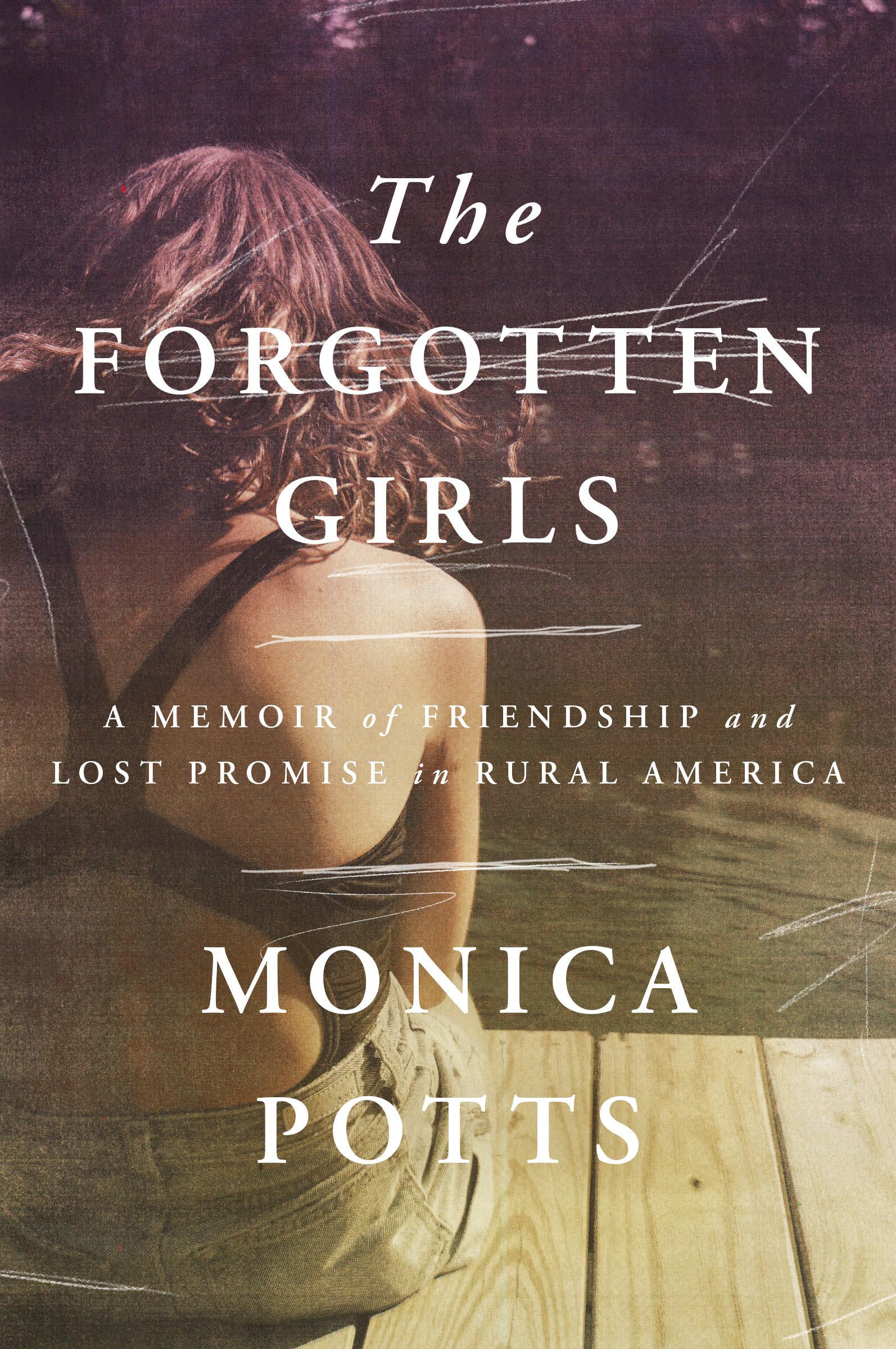
NEW YORK TIMES BESTSELLER • An acclaimed journalist tries to understand how she escaped her small town in Arkansas while her brilliant friend could not, and, in the process, illuminates the unemployment, drug abuse, sexism, and evangelicalism killing poor, rural white women all over America.
“[A] clear-eyed and tender debut . . . This book is as much the author’s story as a piece of reportage.”—The Wall Street Journal
Growing up gifted and working-class poor in the foothills of the Ozarks, Monica and Darci became fast friends. The girls bonded over a shared love of reading and learning, even as they navigated the challenges of their tumultuous family lives and declining town—broken marriages, alcohol abuse, and shuttered stores and factories. They pored over the giant map in their middle-school classroom, tracing their fingers over the world that awaited them, vowing to escape. In the end, Monica left Clinton for college and fulfilled her dreams, but Darci, along with many in their circle of friends, did not.
Years later, working as a journalist covering poverty, Potts discovered what she already intuitively knew about the women in Arkansas: Their life expectancy had dropped steeply—the sharpest such fall in a century. This decline has been attributed to “deaths of despair”—suicide, alcoholism, and drug overdoses—but Potts knew their causes were too complex to identify in a sociological study. She had grown up with these women, and when she saw Darci again, she found that her childhood friend—addicted to drugs, often homeless, a single mother—was now on track to becoming a statistic.
In this gripping narrative, Potts deftly pinpoints the choices that sent her and Darci on such different paths and then widens the lens to explain why those choices are so limited. The Forgotten Girls is a profound, compassionate look at a population in trouble, and a uniquely personal account of the way larger forces, such as inheritance, education, religion, and politics, shape individual lives.
Discussion Questions:
- How did you feel about Darci’s depiction? Why do you think she agreed to be portrayed in such a vulnerable light? Would you ever agree to something like that?
- How did you feel about Monica moving back to Clinton after being so motivated to leave when she was younger?
- What societal pressures do the women in Potts’s community face because of their gender? How do these pressures differ from those experienced by men in the same circumstances, and how do these gender expectations affect their life choices?
- How does Potts reflect on the importance (or lack thereof) of education in the lives of the women she grew up with? What does the book suggest about the power of education as a means of escaping the cycles of poverty and limited opportunities?
View past and future books from the Reading Room.