Video About 100 Rural Women
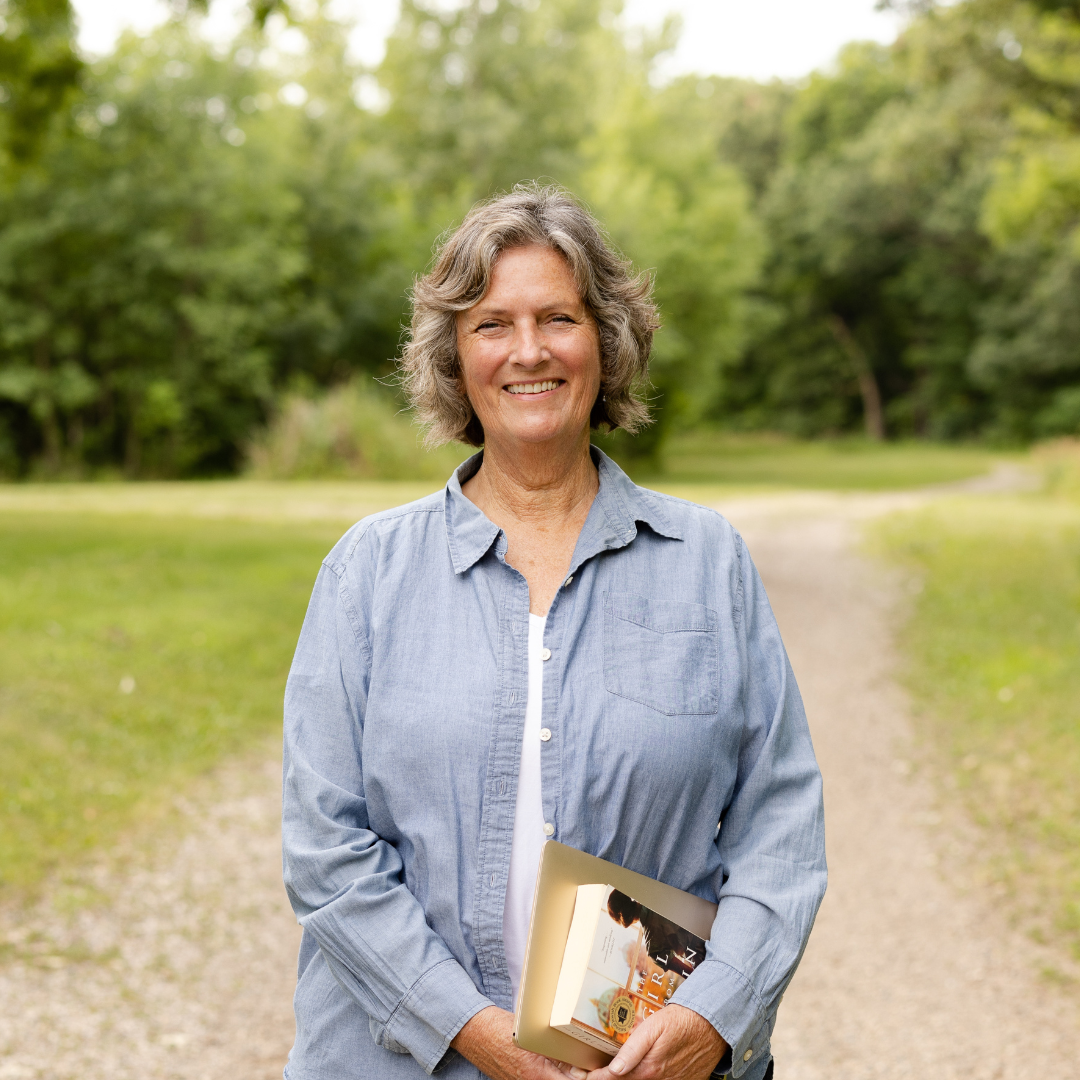
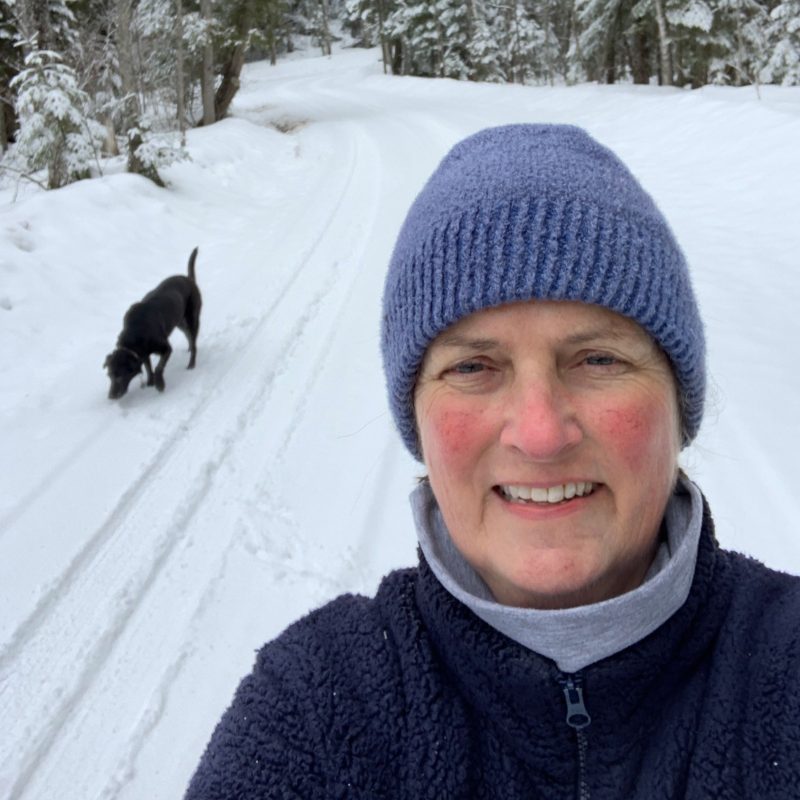
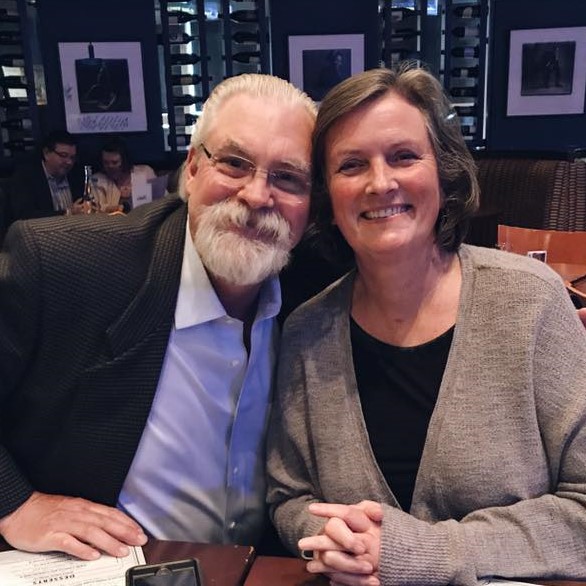
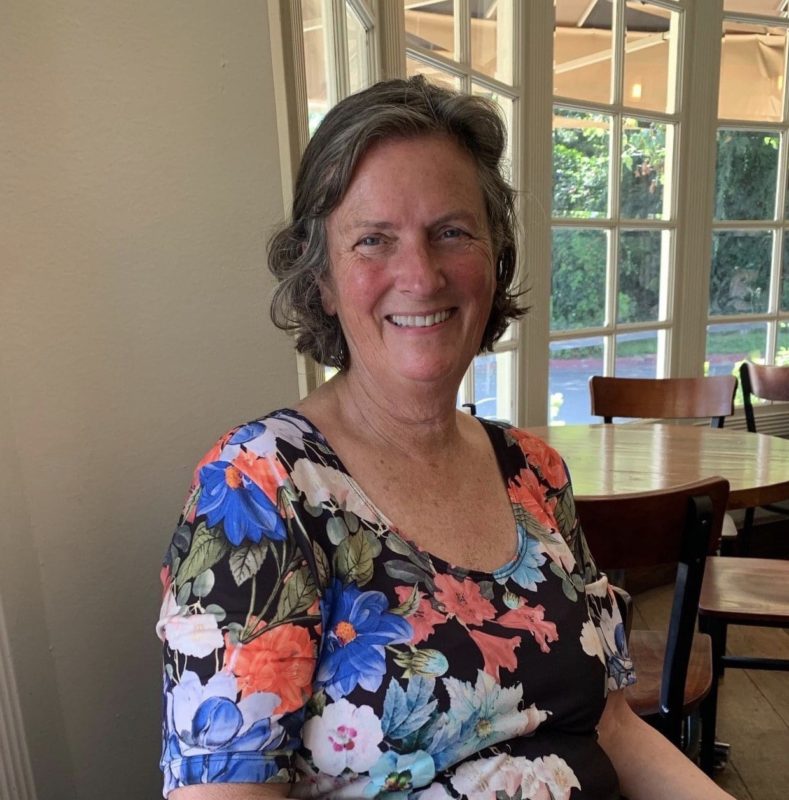
Teresa kittridge
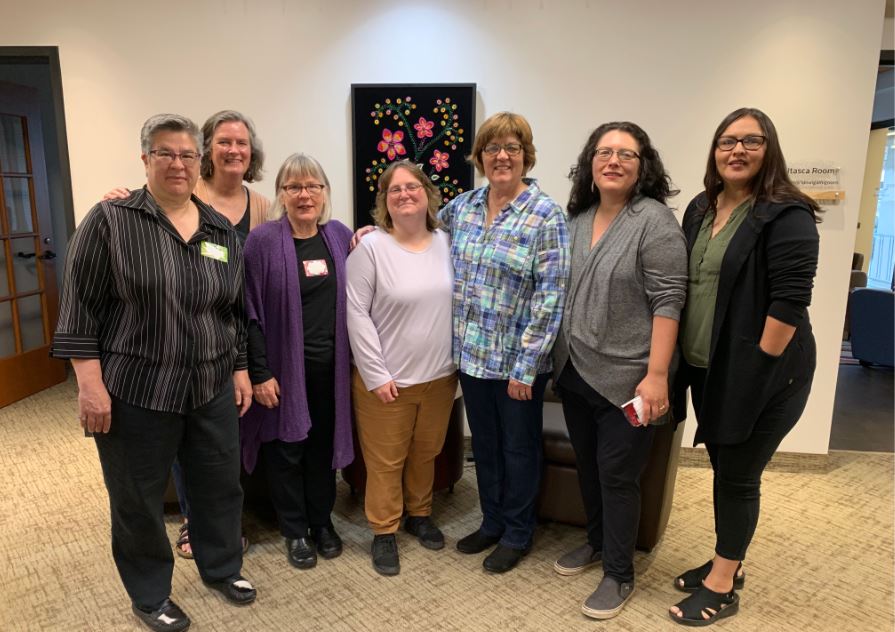
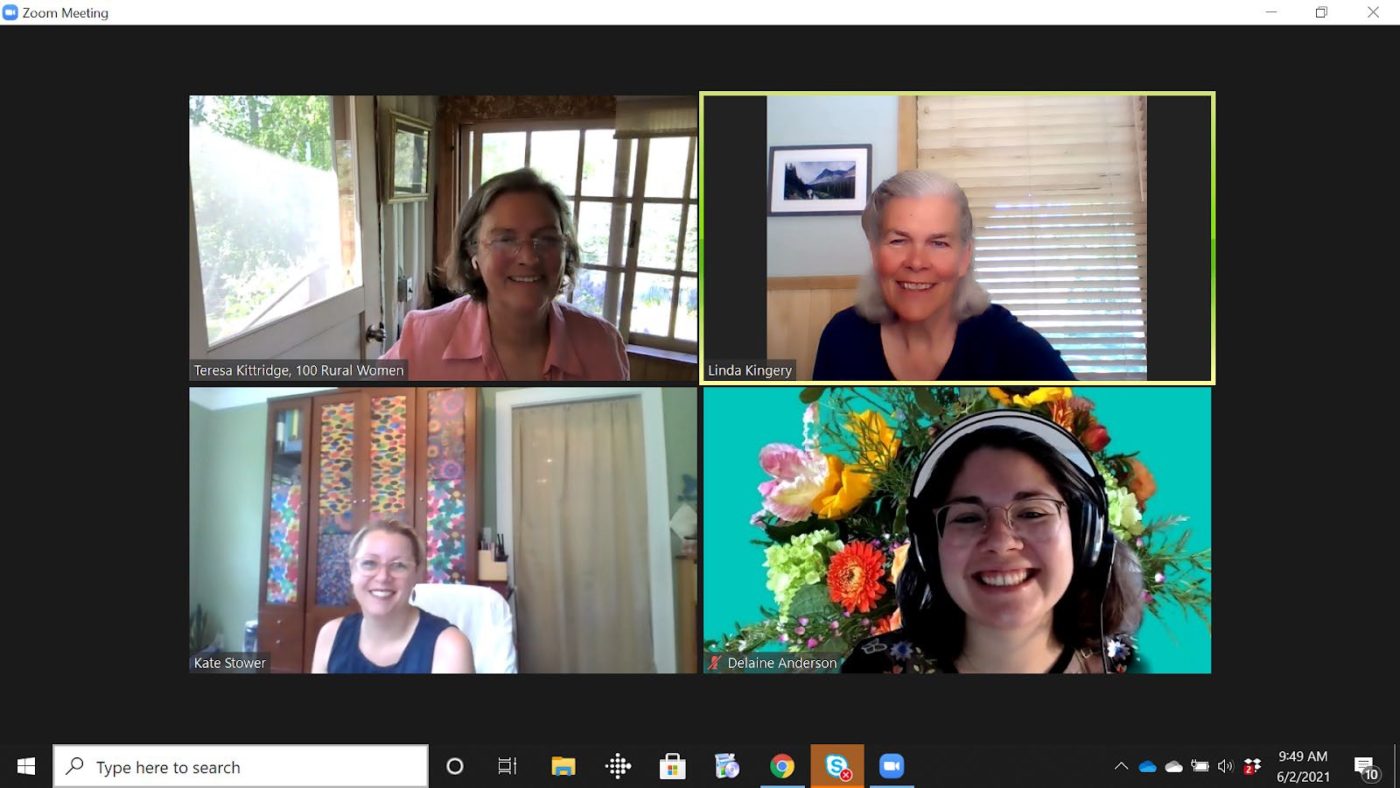
100 Rural Women got its jump start when founder, Teresa Kittridge, invited a handful of women to join her in Marcell, MN. They spent the day focused on talking about the needs, assets, and how to better support each other. Every woman in that room raised their hand to help make this happen. Learn more about Teresa Kittridge by hearing directly from her about her experiences and roots.
Some Interviews….
MN Department of Health Spotlight Interview
APRIL 2025
Spotlight on 100 Rural Women: Creating connections and inspiring leadership
 Teresa Kittridge says her life story has often been shaped by a “gap in leadership,” created by the fact that women are significantly underrepresented in formal decision-making roles in rural America.
“Women are leading every day in (rural) communities. They just are not in formal leadership roles and that’s what we’re trying to see more of. I think that a solution to cut through the political divisiveness in rural (areas) is to have more women leading.” – Teresa Kittridge, Founder and President, 100 Rural Women
The nonprofit, nonpartisan group 100 Rural Women got its jump-start in 2019 when Teresa invited a handful of women to join her in Marcell, Minn. They spent the day focused on needs, assets, and how to better support each other. Every woman in that room raised their hand to help make 100 Rural Women happen.
Our initial research was from 100 meetings we held across the state of Minnesota. All of our programming emanated from that research.” – Teresa Kittridge
The organization sees young women’s leadership as key to the future of rural life. From the beginning, having at least 50% of its board members under the age of 30 has been a priority. Teresa says this effort fit in with a central theme in their programming, which is mentorship. She told us, “I encourage our young women to follow their passion, and I love to watch where they are going. We practice circular mentorship. We mentor them, and they mentor us.”
For example, when COVID-19 brought significant challenges, the younger women on the team helped the organization successfully navigate the pandemic by bringing a virtual approach that continues today. Teresa says it has widened the scope of their efforts to include more national and international connections.
“[COVID-19] pushed us to adapt quickly, get creative, and find new ways to deliver programming, conduct research, and provide support. We’ve had more reach. It’s not perfect, but it removes barriers for women who are balancing so much.” – Teresa Kittridge
Challenges have been and continue to be a concern. Funding is always an issue for small nonprofits. The organization is fortunate to have a few funders who understand the women’s leadership crisis in rural areas. These funders, along with pro bono services and private donations, created a culture of support and have kept 100 Rural Women operating through many financial ups and downs. Nonetheless, Teresa is surprised at how difficult the process has been.
“I am continually astounded by the lack of understanding—and often, interest—among funders regarding the equity gap and the underrepresentation of women in formal leadership roles in rural areas.” – Teresa Kittridge
She says another of the most crucial hurdles to overcome has been working to “build a nonpartisan and non-issue-oriented organization during a time of intense polarization.” With characteristic positivity, Teresa adds, “it has shaped our resilience and focus.”
“I look for those pieces that people can work on together. I work to find two or three things we agree on. People need to feel safe and discuss what’s important to them.” – Teresa Kittridge
In its five years of operation, 100 Rural Women has worked with over 50 interns and graduate students, established multiple partnerships, launched a mailing list of over 5,500 subscribers, and developed innovative and successful programming. Teresa says that she recognizes the importance of continually infusing fresh vision, next-generation leadership, and new energy into the work. Because of this, the year 2025 is focused on evaluation, engagement, visioning, leadership, and sustainability. In May, they are launching a new podcast featuring the stories of 100 rural women. And each day, 100 Rural Women will continue to lead for positive change.
“I’m excited to collaborate….to identify opportunities that will propel our work into the future. It has truly been an honor to be part of this meaningful journey.” – Teresa Kittridge
Rural Voices at the State Fair
Listen to the MPR Show Recording
The third season of Rural Voice kicked off at the Minnesota State Fair on Monday, Aug. 26. It was a steamy day, but it didn’t discourage rural change makers who gathered at the MPR booth for a lively and hopeful town hall with moderator Kerri Miller. 100 Rural Women was honored to be part of the conversation.
The question before them: How is rural Minnesota changing, and how are rural communities thriving in the midst of it?
Learn more about Rural Voice
Ed Soul Podcast - 100 Rural Women Founder Featured on Ed Soul Podcast as part of Women’s History Month

March is Women’s History Month, and this episode focuses on how education can build confidence, provide mirrors, and demystify pathways for our young girls and women to follow their dreams and take a seat at the table. Teresa Kittridge, founder of 100 Rural Women, shares personal stories, advice, and supports for each of us to lean into as we work to remove barriers and illuminate possibilities through the power of education.
100 Rural Women Founder honored to present on an International Panel re: Rural Woman and Youth – NGO Committee on the Status Of Women
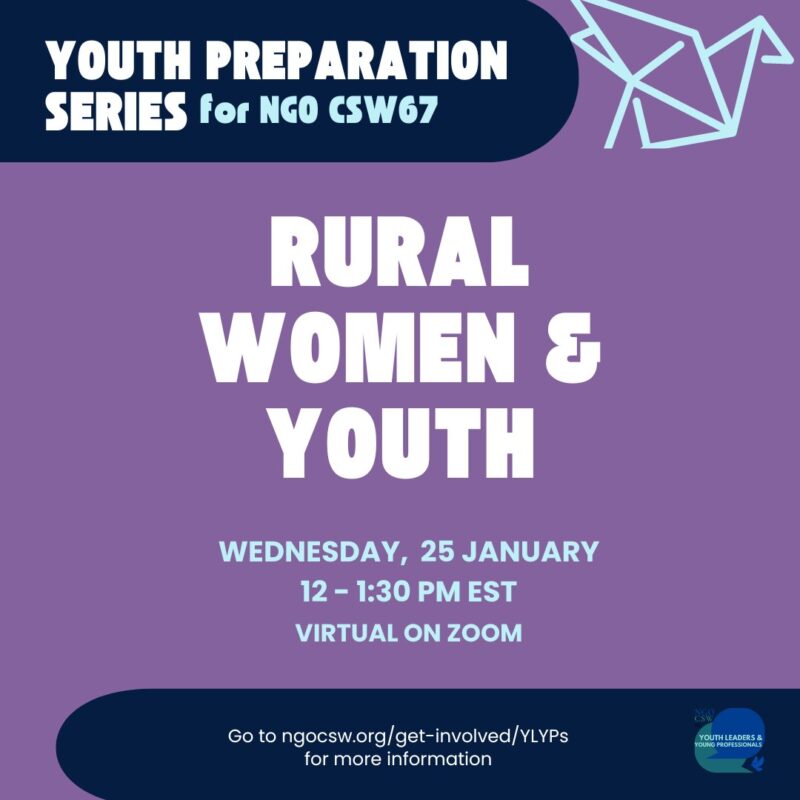
100 Rural Women’s Founder was honored to serve on this panel with amazing young women.
Watch the recording Youth Preparation Series session, Rural Women & Youth where we reviewed the issues, actions, and goals related to the empowerment of rural women and youth (aligning with the CSW67 review theme).
We heard diverse perspectives from around the globe and had a Q&A session with the panelists.
Why 100 Rural Women?
Throughout my career, I have often been one of the only women in a room of powerful men. I’ve also been lucky enough to connect with women leaders who have inspired, encouraged, and supported me on my path.
I want 100 Rural Women to help all rural women have those opportunities—and for girls to have a broader vision of their own futures in rural communities and throughout the country.
Why Now?
For our rural places to survive, we need young families to stay, locate, and thrive in our communities. Rural America is being painted with a broad-brush these days. And now its more important than ever that we check our politics at the door and work together for community building. I believe that women can model the way for better collaboration and effective leadership.
Today, Women are still underrepresented in formal leadership roles and through our initial research and meetings, I’ve seen that women are eager to meaningfully connect with each other and work together for a brighter future.
My Experience
For the first 20 years of my career, I was an elected officer of the Minnesota House of Representatives. Mid-career, I had the life-changing experience of pursuing a graduate degree in organizational leadership at St. Catherine University. It grounded me in the principles and practices of leadership and ethics. This experience helped me find the courage to reinvent myself—to move out of government into other industries and sectors. This allowed me to build and lead organizations locally, statewide, regionally, nationally, and internationally.
Public service was still in my blood and I wanted to be involved in my daughter’s education. So, I ran and was elected to the Waconia School Board where I served as board chair for a few years. I am proud of the work we did together as a board. We championed all-day kindergarten, stabilized the district’s finances, and changed the teacher negotiation process from positional top-down to interest-based which included all voices at the table.
My executive leadership experience includes legislative, children’s book publishing, the renewable energy industry, and rural public policy development. I live on a lake in northern Minnesota in Marcell Township. Here, I am an elected Trustee and Officer on the Bigfork Valley Hospital Board, serve on the Marcell Township business loan committee, and am dedicating this chapter of my life to building 100 Rural Women.
My Roots
Growing up in southwest Minnesota, I was fortunate to have strong female role models in community service and leadership. My great-grandmother, Bridget McDonough Regan, was the first woman in the early 1900s to serve on the school board in Butterfield MN.
Over the years, I have had the opportunity to live in, work in, and learn from rural communities. Throughout my career in public service, business, and non-profit work, I’ve been interested in how rural women can connect better, support each other, and be more representative in decision-making leadership.
Professional Experience
I spent 20 years as an elected officer of the Minnesota House of Representatives. Then, following my time in the legislature, I built the Washington D.C. office of RUPRI (Rural Policy Research Institute) and served as Director of National Policy Programs. I have over a decade of experience in leading and building national and international publishing businesses as an executive for Coughlan Companies and then as founder and president of MNREM (Minnesota Renewable Energy Marketplace). I returned to RUPRI in 2014 as Vice President and Chief Operating Officer.
OUR MISSION
To serve and support rural women: identify, connect and create relationships, models of networking, leadership, mentorship and civic engagement.
OUR VISION
A future where more rural women lead positive change for themselves, their families and communities, the nation and the world.